
|
That wide and splendid land, dominated only yesterday by the elements, but now in thrall to the use of man, the pioneer West, has been the stage for many a grim and stirring drama. This is the story of one of them, the record of an event known today as the Frog Lake Massacre. 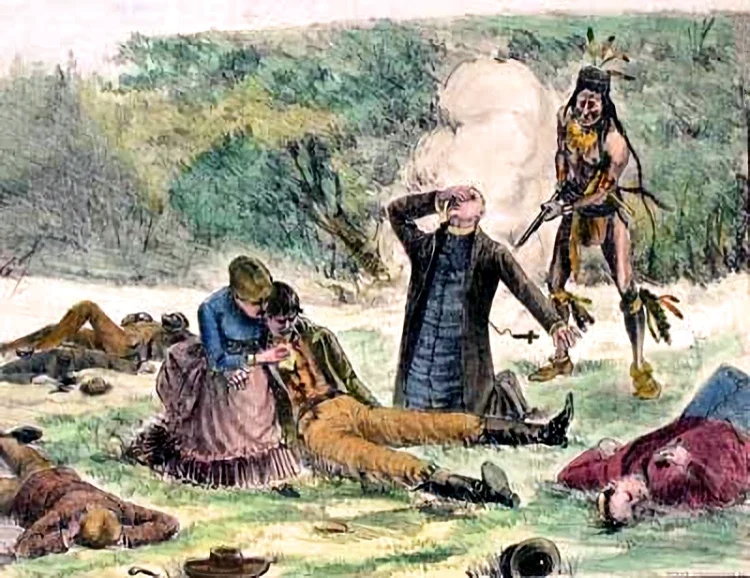
I was present at the Frog Lake Massacre and escaped by the slim margin of one hundred paces the fate that overtook my hapless fellows. For months afterward the unexpected report of a gun put my heart in my mouth, painted savages plunged in my dreams at early dawn through belts of dark firs upon my flying footsteps, bullets sang in my ears or found their mark in my flesh, and I awoke gasping and unable in the first few seconds of consciousness to convince myself that it was not all a horrible reality. Looking back on that now-distant date and thinking over the flow of perilous turns in events piling swiftly one on another, more clearly than ever before I see how close was my brush with death and wonder that I came through it and lived. The story is plain, and it will be told plainly. And if the dramatic setting, the romantic atmosphere of a wild and lonely land, the smoke of teepees and the native eloquence of men, naked and brown as leaves in autumn, do not invite the seeker of the sensational and melodramatic in literature, the tale is not for him. And first, a word about the setting. 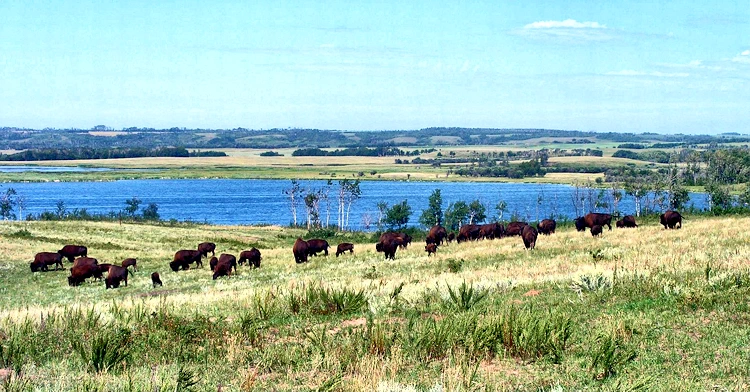
Frog Lake, a shimmering expanse of blue water, lies ten miles north of the North Saskatchewan River, with which it is connected by a creek bearing the same name, in what is now the province of Alberta. The settlement-to dignify it by the name-lay at the foot of the lake. There were the buildings of the government Indian agency, the Hudson's Bay Company trading post, the Roman Catholic mission, and the store of a "free" trader named Dill. On the creek, two miles away, a dam under construction marked the site of a small grist mill waiting to be built for the Canadian Indian Department. The contractor, John C. Gowanlock, lived with his young wife in a log house on the bank of the creek nearby, and his clerk, William C. Gilchrist, lodged with his employer. Clustering about the lake were the reserves of several bands of Indians. The Cree nation is divided into two branches, Wood and Plains Crees. The former - whose property these reserves were - differed widely in character and mode of life from their brethren of the plains. They were solitary hunters and trappers afoot, the mainstay of the Saskatchewan Valley fur trade, and they had lived for generations at peace with the white traders and the missionaries. Their hunting territory was the wooded country north of the North Saskatchewan River and they seldom ventured on the plains to the south among their more truculent kinfolk. 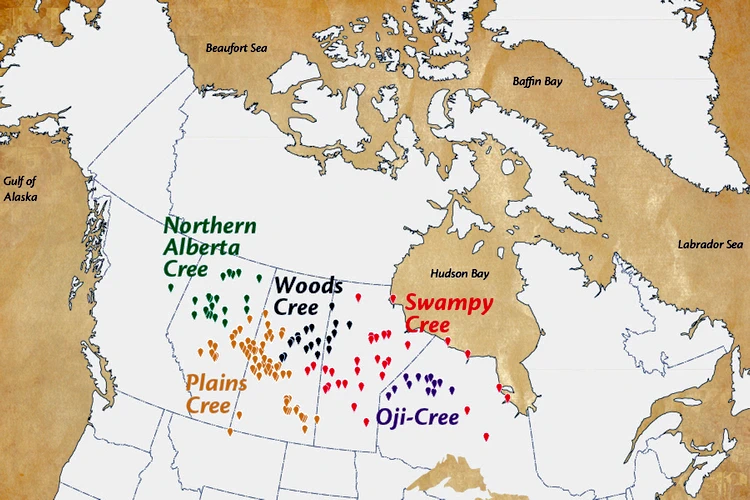
The Plains Crees, on the other hand, pitched their lodges in the great open territory between the North and South Saskatchewan, where in companies and mounted they ran buffalo and waged incessant war against their hereditary foes, the Blackfoot. But their hands were against those of almost every neighboring tribe as well and they made frequent raids into the lands of these enemies and were in turn raided by them. They were better orators, more crafty, savage and daring than were their relatives of the woods. Still farther to the north lay the territory of yet another race of fur hunters and trappers, the Chippewyans. These Indians, while, like, the Apaches, of the widely-distributed Athapascan stock, had none of the aggressive characteristics of that formidable tribe; they were a timid people who would do anything but fight and they were in subjection to the Crees. This book was originally named The War Trail of Big Bear, a title I have long since recognized as inappropriate and misleading. In this fourth edition, it has therefore been given a new title, Blood Red the Sun, one which fits, as will be seen in the development of the narrative. The foregoing particulars will be an aid to the reader understanding of what follows.
W. B. Cameron
Meadow Lake, Saskatchewan, February 1, 1950. |
Questions - Comments?


Links to all jkcc.com Webpages:
| Ausland Lake |
Northern Saskatchewan
| Deep River Fur Farm |
| Deep River Trapping Page |
| Deep River Fishing Page |
| My Norwegian Roots |
| Aasland Farm, Norway |
| My Norwegian Family |
| Early Mink of People Canada |
E. Rendle Bowness
| The Manager's Tale |
Hugh McKay Ross
| Sakitawak Bi-Centennial |
200 Year History.
| Lost Land of the Caribou |
Ed Theriau
| A History of Buffalo Narrows |
| Hugh (Lefty) McLeod |
Bush Pilot
| George Greening |
Bush Pilot
| Timber Trails |
A History of Big River
| Joe Anstett, Trapper |
| Bill Windrum, Bush Pilot |
| Face the North Wind |
By Art Karas
| North to Cree Lake |
By Art Karas
| Look at the Past |
A History Dore Lake
| George Abbott |
A Family History
| These Are The Prairies |
| William A. A. Jay, Trapper |
| John Hedlund, Trapper |
| Deep River Photo Gallery |
| Cyril Mahoney, Trapper |
| Saskatchewan |
A Pictorial History
| Who's Who in furs |
1952 to 1956
| A Century in the Making |
A Big River History
| Wings Beyond Road's End |
| The Northern Trapper, 1923 |
| My Various Links Page |
| Ron Clancy, Author |
| Roman Catholic Church |
A History from 1849
| Frontier Characters - Ron Clancy |
| Northern Trader - Ron Clancy |
| Various Deep River Videos |
| How the Indians Used the Birch |
| The Great Fur Land |
| The Death of Albert Johnson |
| A Mink and Fish Story |
Buffalo Narrows
| Gold and Other Stories |
Berry Richards
| Saskatchewan James Carnegie |
| Ausland Lake |
Northern Saskatchewan
| Deep River Fur Farm |
| Deep River Trapping Page |
| Deep River Fishing Page |
| My Norwegian Roots |
| Aasland Farm, Norway |
| My Norwegian Family |
| Early Mink of People Canada |
E. Rendle Bowness
| The Manager's Tale |
Hugh McKay Ross
| Sakitawak Bi-Centennial |
200 Year History.
| Lost Land of the Caribou |
Ed Theriau
| A History of Buffalo Narrows |
| Hugh (Lefty) McLeod |
Bush Pilot
| George Greening |
Bush Pilot
| Timber Trails |
A History of Big River
| Joe Anstett, Trapper |
| Bill Windrum, Bush Pilot |
| Face the North Wind |
By Art Karas
| North to Cree Lake |
By Art Karas
| Look at the Past |
A History Dore Lake
| George Abbott |
A Family History
| These Are The Prairies |
| William A. A. Jay, Trapper |
| John Hedlund, Trapper |
| Deep River Photo Gallery |
| Cyril Mahoney, Trapper |
| Saskatchewan |
A Pictorial History
| Who's Who in furs |
1952 to 1956
| A Century in the Making |
A Big River History
| Wings Beyond Road's End |
| The Northern Trapper, 1923 |
| My Various Links Page |
| Ron Clancy, Author |
| Roman Catholic Church |
A History from 1849
| Frontier Characters - Ron Clancy |
| Northern Trader - Ron Clancy |
| Various Deep River Videos |
| How the Indians Used the Birch |
| The Great Fur Land |
| The Death of Albert Johnson |
| A Mink and Fish Story |
Buffalo Narrows
| Gold and Other Stories |
Berry Richards
| Saskatchewan James Carnegie |