
|
When in the year 1875 the Saskatchewan Indians met the commissioners appointed to treat with them for the cession of their rights, the only chief of importance to refuse the proposals made by the government was Big Bear. Acceding probably to the demands of the more unruly element in his following, he gave as a reason his objection to the white man's law which permitted hanging. He also wished, he said, to see how the promises made to the tribes would be kept by the government. The action of Big Bear in thus declining to subscribe to the document surrendering his country and his liberties to the white man's dominion gathered about him the independent spirits among his people and he soon came to be recognized as the most powerful chief of the Cree nation. While the buffalo continued plentiful the band lived much as they had done before emissaries had come from the Big White Mother to buy their heritage. They became a band of nomads and drifted south, across the line into Montana. The buffalo, mercilessly hunted for their robes by white men, and Metis soon disappeared; Big Bear and his followers became a menace to the ranchmen of the Treasure State and were driven back into Canadian territory. Reduced to the extremity of want and wretchedness, in 1879 at Sounding Lake, Big Bear at length affixed his mark to the treaty. 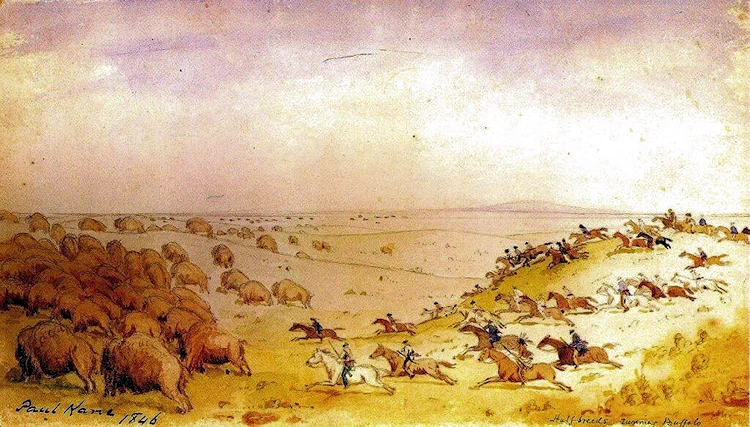
But though they had come into a treaty, Big Bear's band obstinately deferred following the example of the others and selecting a reservation. They excused their tardiness on the plea that there were so many fine locations it was hard for them to agree on a choice. Thus while reservation Indians when in need-as often happened-got help from the government, for Big Bear there was no such provision. During the first winter-1883-4-did, as a matter of fact, get a few supplies from the Indian agent, but this was in payment for work done. With the advances they received from the Hudson's Bay Company on account of their treaty money and the furs and game they killed, they managed to live through the winter. The following summer, as has been seen, found them at Poundmaker's reserve, where the incident just related-the flare-up precipitated by the ruffianly Kahweechetwaymot-occurred. Shortly after this affair, Big Bear's band returned to Fort Pitt for the payments already described, and this brings the story to the winter of 1884-5. During the spring of 1884 while trading on my own account among the Saskatchewan reservations I had spent some time at Frog Lake. I was, therefore, no stranger to these Indians when I returned the following New Year to take up residence in their territory in a new capacity. The months of January and February passed uneventfully. Big Bear and his band were camped in the timber along Frog Creek not far from the mill site. They cut wood for the police detachment, freighted for the Hudson's Bay Company and got some occasional help from Indian Agent Quinn. The old chief often had dinner with me; thus I had frequent opportunities to study his deeply-lined, intelligent face. Big Bear was then perhaps sixty years of age. He had an amazing voice and when he talked, as he often did, with his right arm free and the left holding the blanket folded across his broad chest, with the dramatic gestures and inflections natural to him, he reminded me of an imperial Caesar and was one of the most eloquent and impressive speakers I have ever listened to. On my trips to Pitt during this period I spent several days with Mr. W. J. McLean, chief officer of the Hudson's Bay Company for the district, and his hospitable family. We played cards, danced, sang, took snowshoe tramps, and organized rabbit hunts. I made the round of his trapline across the big river from the fort once or twice with Stanley Simpson and helped him to bring in seven foxes. 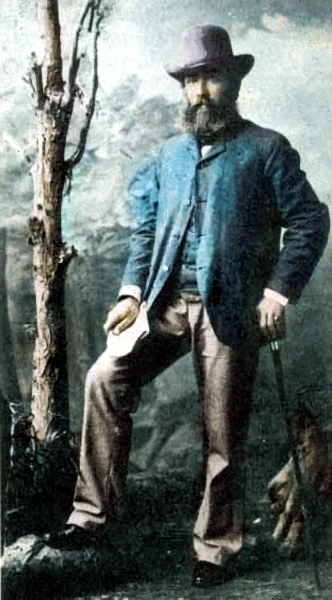
About March the first rumors reached us of impending trouble between the government and the French half-breeds at Duck Lake. Louis Riel, who had incited the rebellion among these people in 1870 and been outlawed for his action, was again their leader. We had, in fact, known earlier that half-breed runners from Duck Lake had visited Big Bear's band, but had not anticipated any serious outcome. The half-breeds claimed their title in the country had never been extinguished and professed to believe they were to be dispossessed of their land holdings. They were ripe for hostilities and sought the co-operation of the Indians. Andre Nault, a French half-breed cousin of Riel, was arrested at Fort Pitt while on his way early in March from Duck Lake to Frog Lake and detained, on suspicion of being the bearer of incendiary messages from Riel to Big Bear, for several days by Captain Dickens. On being liberated he boasted openly that he would soon be in a position to revenge himself on the police. How successfully the rebel Riel, through specious promises, had drawn Big Bear's lawless followers into a league with him against the whites was shortly to appear. The half-breeds had a logging camp at Moose Creek, twenty miles west of Frog Lake. I have always believed that Nault was a Riel spy. 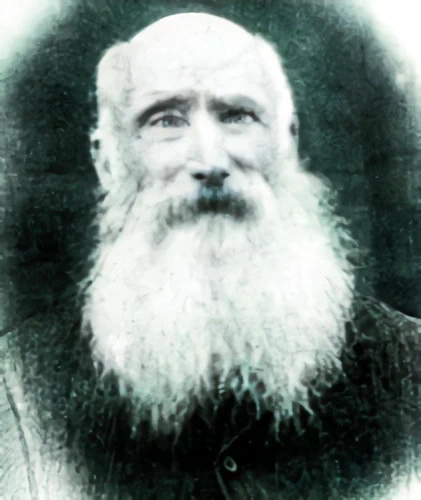
|
Questions - Comments?


Links to all jkcc.com Webpages:
| Ausland Lake |
Northern Saskatchewan
| Deep River Fur Farm |
| Deep River Trapping Page |
| Deep River Fishing Page |
| My Norwegian Roots |
| Aasland Farm, Norway |
| My Norwegian Family |
| Early Mink of People Canada |
E. Rendle Bowness
| The Manager's Tale |
Hugh McKay Ross
| Sakitawak Bi-Centennial |
200 Year History.
| Lost Land of the Caribou |
Ed Theriau
| A History of Buffalo Narrows |
| Hugh (Lefty) McLeod |
Bush Pilot
| George Greening |
Bush Pilot
| Timber Trails |
A History of Big River
| Joe Anstett, Trapper |
| Bill Windrum, Bush Pilot |
| Face the North Wind |
By Art Karas
| North to Cree Lake |
By Art Karas
| Look at the Past |
A History Dore Lake
| George Abbott |
A Family History
| These Are The Prairies |
| William A. A. Jay, Trapper |
| John Hedlund, Trapper |
| Deep River Photo Gallery |
| Cyril Mahoney, Trapper |
| Saskatchewan |
A Pictorial History
| Who's Who in furs |
1952 to 1956
| A Century in the Making |
A Big River History
| Wings Beyond Road's End |
| The Northern Trapper, 1923 |
| My Various Links Page |
| Ron Clancy, Author |
| Roman Catholic Church |
A History from 1849
| Frontier Characters - Ron Clancy |
| Northern Trader - Ron Clancy |
| Various Deep River Videos |
| How the Indians Used the Birch |
| The Great Fur Land |
| The Death of Albert Johnson |
| A Mink and Fish Story |
Buffalo Narrows
| Gold and Other Stories |
Berry Richards
| Saskatchewan James Carnegie |
| Ausland Lake |
Northern Saskatchewan
| Deep River Fur Farm |
| Deep River Trapping Page |
| Deep River Fishing Page |
| My Norwegian Roots |
| Aasland Farm, Norway |
| My Norwegian Family |
| Early Mink of People Canada |
E. Rendle Bowness
| The Manager's Tale |
Hugh McKay Ross
| Sakitawak Bi-Centennial |
200 Year History.
| Lost Land of the Caribou |
Ed Theriau
| A History of Buffalo Narrows |
| Hugh (Lefty) McLeod |
Bush Pilot
| George Greening |
Bush Pilot
| Timber Trails |
A History of Big River
| Joe Anstett, Trapper |
| Bill Windrum, Bush Pilot |
| Face the North Wind |
By Art Karas
| North to Cree Lake |
By Art Karas
| Look at the Past |
A History Dore Lake
| George Abbott |
A Family History
| These Are The Prairies |
| William A. A. Jay, Trapper |
| John Hedlund, Trapper |
| Deep River Photo Gallery |
| Cyril Mahoney, Trapper |
| Saskatchewan |
A Pictorial History
| Who's Who in furs |
1952 to 1956
| A Century in the Making |
A Big River History
| Wings Beyond Road's End |
| The Northern Trapper, 1923 |
| My Various Links Page |
| Ron Clancy, Author |
| Roman Catholic Church |
A History from 1849
| Frontier Characters - Ron Clancy |
| Northern Trader - Ron Clancy |
| Various Deep River Videos |
| How the Indians Used the Birch |
| The Great Fur Land |
| The Death of Albert Johnson |
| A Mink and Fish Story |
Buffalo Narrows
| Gold and Other Stories |
Berry Richards
| Saskatchewan James Carnegie |